
Sprite-AI
Sprite-AI instantly generates pixel-perfect game sprites from text prompts, allowing you to customize and download them ready for any game engine.
Visit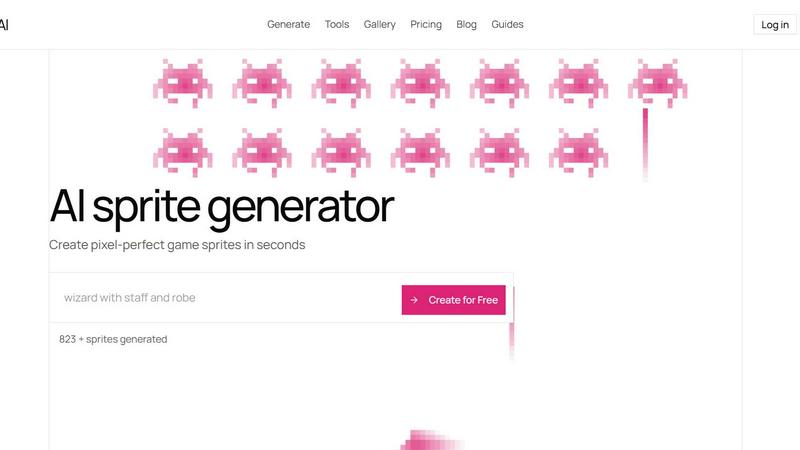
About Sprite-AI
Sprite-AI is an AI-powered pixel art generator designed specifically for indie game developers, hobbyists, and rapid prototypers who need high-quality 2D assets without spending hours drawing. The core value proposition is simple: describe any sprite in plain English, and the application produces a clean, game-ready pixel art image in seconds. Users can specify output sizes of 32x32, 64x64, or 128x128 pixels, and the AI automatically generates sprites correctly sized for their intended role, whether that be icons, items, characters, or hero and boss art. Once a sprite is generated, a built-in pixel editor provides essential tools including paint, erase, fill, and color-pick functionality, allowing users to fine-tune every single pixel before export. The final output is a transparent PNG file that drops directly into popular game engines such as Unity, Godot, GameMaker, and Unreal. Beyond the core generator, Sprite-AI features a community gallery for inspiration, prompt guides to help users craft better descriptions, and a token-based pricing model that ensures users only pay for what they generate. The platform is built for speed, simplicity, and practical game development workflows, removing the traditional barrier of artistic skill from the asset creation process.
Features of Sprite-AI
AI-Powered Sprite Generation from Plain English
The foundational feature of Sprite-AI is its ability to transform natural language descriptions into pixel art sprites. Users type what they imagine, such as "fire-breathing dragon, red scales" or "knight warrior with sword and shield," and the AI interprets the request to generate a corresponding sprite. This eliminates the need for any drawing ability, allowing developers to rapidly iterate on visual concepts. The generator supports multiple sizes including 16x16, 32x32, 64x64, and 128x128 pixels, ensuring the output matches the resolution requirements for different game roles like UI icons, item sprites, or detailed character art.
Built-In Pixel Editor for Fine-Tuning
After a sprite is generated, users are not locked into the AI output. Sprite-AI includes a fully functional pixel editor that provides essential artistic tools for refinement. Users can paint individual pixels, erase unwanted areas, fill contiguous regions with color, and use a color-picker to match existing hues. This editor allows developers to tweak colors, fix small details, and add their personal touch to every sprite. The workflow is designed to feel intuitive and magical, bridging the gap between AI generation and manual artistic control.
Seamless Game Engine Integration
Sprite-AI prioritizes practical game development workflows by exporting sprites as transparent PNG files. This format is universally compatible with major game engines including Unity, Godot, GameMaker, and Unreal Engine. The generated sprites are immediately ready for import into a game project without requiring additional conversion or processing. This feature saves developers significant time, as they can go from a text description to a usable in-game asset in a matter of seconds, streamlining the entire asset pipeline from conception to implementation.
Community Gallery and Prompt Guides
The platform includes a community gallery where users can browse sprites created by others, providing a rich source of inspiration and examples of what the AI can achieve. Additionally, Sprite-AI offers prompt guides that help users craft effective descriptions to get better results from the generator. These guides cover techniques for specifying style, color palettes, and composition, enabling users to consistently produce high-quality sprites. The gallery also serves as a showcase for the platform's capabilities, demonstrating the variety of assets that can be created.
Use Cases of Sprite-AI
Rapid Prototyping for Game Jams
Game jams demand extremely fast iteration cycles, often requiring participants to create multiple art assets in a very short time. Sprite-AI enables developers to generate character sprites, item icons, and environmental elements in seconds by simply describing what they need. A developer can type "cute slime monster, green and bouncy" and immediately have a usable sprite to place in their game scene. This speed allows teams to focus on gameplay mechanics and level design rather than spending hours on pixel art, dramatically increasing the number of assets they can produce during a jam.
Indie Game Development with Limited Art Resources
Many indie game developers work alone or in very small teams without dedicated artists. Sprite-AI serves as a force multiplier, allowing a single developer to generate a complete set of 2D assets for their game. For example, a developer building a retro-style RPG can generate a medieval knight, a wizard staff, a golden magic lamp, and a skeleton enemy all in one session. The ability to fine-tune each sprite with the pixel editor ensures that the final assets maintain a consistent visual style and meet the specific requirements of the game's art direction.
Generating Consistent Asset Sets for Themed Games
When building a game around a specific theme, such as fantasy, sci-fi, or historical settings, maintaining visual consistency across all sprites is critical. Sprite-AI allows developers to generate multiple assets using similar descriptive language, helping to ensure that characters, items, and environments share a cohesive aesthetic. A developer creating a medieval fantasy game can generate a knight, a shield, a sword, a castle icon, and a dragon boss all with the same stylistic prompts. The pixel editor then allows for final adjustments to unify color palettes and pixel densities across the entire asset set.
Creating Placeholder Art for Prototyping
During the early stages of game development, placeholder art is essential for testing gameplay mechanics and level layouts before investing in final assets. Sprite-AI provides an ideal solution by generating clean, recognizable sprites instantly. These placeholders look significantly better than simple colored squares or programmer art, making the prototype more presentable for playtesting and investor demos. When the final art is ready, developers can simply replace the generated sprites with polished versions, having already validated the game's feel and flow with visually coherent assets.
Frequently Asked Questions
What sizes of sprites can Sprite-AI generate?
Sprite-AI supports multiple output sizes to accommodate different game asset requirements. Users can generate sprites at 16x16 pixels for small icons and UI elements, 32x32 pixels for standard item sprites, 64x64 pixels for detailed character art, and 128x128 pixels for hero or boss sprites that require higher resolution. The AI automatically optimizes the generated art for the selected size, ensuring that details are appropriately scaled and that the sprite looks clean and game-ready at its intended resolution.
Can I edit a sprite after it is generated?
Yes, every sprite generated by Sprite-AI can be refined using the built-in pixel editor. This editor includes essential tools such as paint, erase, fill, and color-pick, allowing you to modify individual pixels, adjust colors, fix small details, and add your own creative touches. The editor is designed to be simple and intuitive, giving you full control over the final appearance of your sprite without requiring advanced artistic skills. You can iterate between generating and editing until you achieve the exact result you need.
Which game engines are compatible with Sprite-AI exports?
Sprite-AI exports sprites as transparent PNG files, which is a universally supported image format across all major game engines. The generated assets are directly compatible with Unity, Godot, GameMaker, and Unreal Engine without any need for conversion or additional processing. Developers can simply download the sprite and import it into their project's asset folder, where it will be immediately ready for use in scenes, animations, and UI elements. The transparent background ensures seamless integration with any game environment.
How does the token-based pricing model work?
Sprite-AI operates on a token-based pricing model where users purchase a subscription plan that provides a set number of sprites per month. The Starter plan at $5 per month includes 8 game-ready sprites, the Creator plan at $8 per month (limited time 38% off from $13) includes 20 unique sprites, and the Studio plan at $24 per month (limited time 38% off from $39) includes 75 sprites. Unused tokens do not roll over to the next month, but users can upgrade or downgrade their plan at any time. This model ensures you only pay for the generation capacity you actually use.
Pricing of Sprite-AI
Sprite-AI offers three subscription tiers designed to accommodate different usage levels. The Starter plan is priced at $5 per month and includes 8 game-ready sprites, suitable for game jams and side projects. The Creator plan, which is the best value option, is currently available at a limited-time launch price of $8 per month (38% off the regular $13) and includes 20 unique sprites plus PNG and SVG export formats for Unity and Godot integration. The Studio plan is priced at $24 per month (38% off the regular $39) and includes 75 sprites per month for teams and serious production work. All plans include access to the community gallery and prompt guides, and users can cancel their subscription at any time. The launch pricing is locked in forever for early adopters and increases at full release, with 386 out of 500 spots remaining.
Similar to Sprite-AI

StopScroll
AI YouTube thumbnail maker that helps creators generate high-click thumbnails faster.
HubVanta AI
HubVanta AI helps creators generate images and videos with advanced AI tools for visual content workflows.
CustomTattoo AI
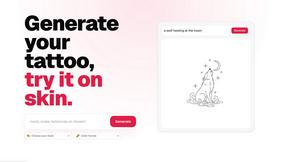
CustomTattoo AI turns your tattoo ideas into realistic on-skin previews so you can confidently bring artist-ready concepts to your next appointment.

Inkfox AI
Inkfox AI is a free unlimited AI image generator with no sign-up required, offering premium models for creating ad creatives, product shots, and.
Receiptum
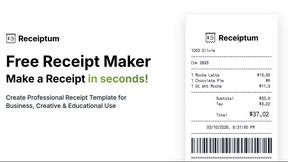
Receiptum lets you instantly create realistic, customizable receipts for free with no design skills needed.