

Alternatives to StockFit API
StockFit API delivers clean, standardized SEC financial data for reliable modeling, valuation, and backtesting.
Explore 20 alternatives to StockFit API. Compare features, pricing, and find the best fit for your needs.


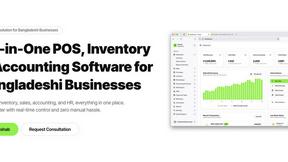
Hishab
All-in-one POS, inventory, accounting and HR software for Bangladeshi SMEs — real-time sales, stock and finance in one place.


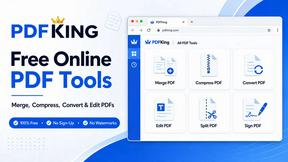
PDFKing
Free online PDF tools to merge, compress, convert, edit, sign, and manage documents—no signup, watermarks, or daily limits.
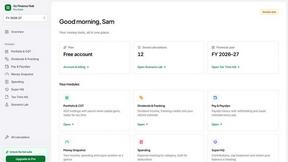

EchoLeads AI
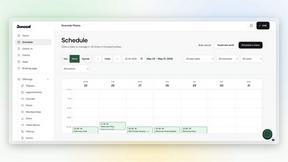
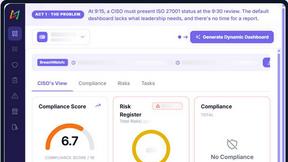
EchoLeads AI is an enterprise platform that uses intelligent voice agents to automate cold calling, lead qualification, and appointment scheduling.
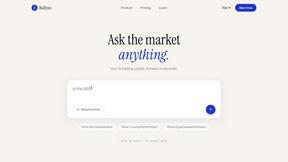
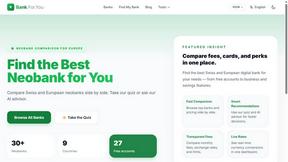
Bank.For.You
Compare Swiss and European neobanks side by side or use the quiz and AI advisor to find your ideal digital bank.
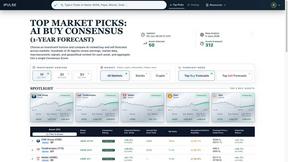
iPulse
iPulse delivers AI-powered market intelligence with real-time forecasts, signals, and risk analysis across stocks, crypto, and commodities.
TryBit
TryBit enables businesses to accept over 40 cryptocurrencies with low fees, volatility protection, and 24/7 support.

helpdol
Helpdol uses voice commands to track expenses, forecast cash flow, and organize receipts for small businesses.

Postservice.at
Postservice.at provides a legally valid Vienna business address and virtual office services from 49 euros per month, activated in two minutes.
About StockFit API Alternatives
StockFit API is a specialized financial data platform designed for developers, quants, and research platforms that require direct, reliable access to standardized SEC filing data. It falls into the Business & Finance category, specifically within the niche of fundamental financial data APIs that prioritize accuracy and auditability over convenience or cost reduction. Users commonly look for alternatives to StockFit API due to specific pricing constraints, a need for different data coverage such as real-time market prices, or a preference for a different programming language SDK or integration ecosystem. Others may seek alternatives if their use case requires a lighter data set that does not include the comprehensive economic models or LLM-friendly outputs that StockFit provides. When choosing an alternative, it is critical to evaluate the source and traceability of the data, as many providers derive or estimate numbers rather than pulling them directly from SEC XBRL filings. You should also assess how the alternative handles complex filing scenarios like amended reports, non-standard fiscal years, and Q4 reconstructions, as these are common pitfalls that can break backtesting models. Consider the breadth of coverage for fundamentals, insider transactions, and fund exposure, as well as the format of the output if you intend to feed data into AI or machine learning workflows. Finally, weigh the scalability of the pricing model against your budget, ensuring you are not forced to choose between inaccurate cheap tiers and prohibitively expensive enterprise contracts.
FAQs about StockFit API Alternatives
What is StockFit API?
StockFit API is a financial data platform that provides clean, standardized data sourced directly from SEC XBRL filings. It is built specifically for developers, quants, and research platforms who need auditable and accurate data for financial modeling and backtesting. The platform ensures every number is traceable back to its original filing, eliminating the inaccuracies common in derived data sources.
Who is StockFit API for?
StockFit API is designed for developers, quantitative analysts, and research platforms that require direct and reliable access to SEC filing data. It is ideal for users who have struggled with the trade-off between cheap but inaccurate data tiers and expensive enterprise contracts. The platform also serves professionals building LLM workflows, as it provides economic models and fund exposure data in an AI-friendly format.
Is StockFit API free?
The provided content does not specify whether StockFit API offers a free tier, but it is described as a solution that fills the gap between cheap inaccurate tiers and expensive enterprise contracts. Users should expect a pricing model that reflects its focus on high-quality, auditable data from over 250 million facts and 5 million filings. Contacting the provider directly is recommended for specific pricing details.
What are the main features of StockFit API?
StockFit API covers fundamentals, ownership data, ETF and mutual fund exposure, insider transactions, and all types of filings. It handles complex scenarios such as amended filings, non-December fiscal years, and Q4 reconstructions from 10-K and 10-Q data. Additionally, it provides rich economic models per company, including offerings, peers, competitive advantages, and failure modes, as well as fund exposure data modeled for mandate, portfolio construction, and use cases.