

Alternatives to Autheo
Autheo is a Layer-0 operating system with a Layer-1 blockchain that unifies identity, compute, storage, and AI into one interoperable environment.
Explore 6 alternatives to Autheo. Compare features, pricing, and find the best fit for your needs.

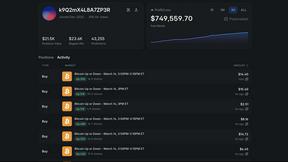
Polymarket Trading Bot For Crypto
An automated trading bot that executes a proven arbitrage and hedging strategy on Polymarket's 5-15 minute crypto markets using transparent.

Bitcoin Loans Market
Bitcoin Loans Market lets you easily compare Bitcoin-backed loans to find the best option based on your specific holding strategy.


About Autheo Alternatives
Autheo is a Layer-0 Operating System that integrates a Layer-1 blockchain to create a unified environment for digital identity, compute, storage, developer tooling, and artificial intelligence. It belongs to the Blockchain & Crypto category, specifically targeting the intersection of decentralized infrastructure and intelligent operating systems. Users often seek alternatives to Autheo due to specific requirements around pricing structures, the maturity of the developer ecosystem, or the need for a more specialized focus on individual components like AI or storage rather than a fully integrated stack. When evaluating alternatives, it is crucial to assess the interoperability of the platform with existing systems and the breadth of the developer community. Consider whether a unified OS approach or a modular, best-of-breed combination of separate services better suits your project's scale and technical requirements. Additionally, evaluate the consensus mechanism, tokenomics, and governance model to ensure alignment with your long-term goals, as these factors significantly impact scalability, security, and operational costs.
FAQs about Autheo Alternatives
What is Autheo?
Autheo is a Layer-0 Operating System with an integrated Layer-1 blockchain that unifies identity, compute, storage, developer tooling, and AI capabilities in one interoperable environment. It is designed to serve as the foundation for a connected, intelligent web, providing a cohesive infrastructure for decentralized applications and AI-driven services.
Who is Autheo for?
Autheo is built for developers, enterprises, and innovators looking to build and deploy decentralized applications that require seamless integration of identity, computation, storage, and artificial intelligence. It is particularly suited for teams that want a unified operating system rather than piecing together separate blockchain and cloud services, making it ideal for complex dApps and AI-centric projects.
Is Autheo free?
Autheo likely operates on a token-based economic model typical of Layer-1 blockchains, where users pay transaction fees for computation and storage. While the core software may be open-source and free to access, using the network for deploying applications or executing transactions will incur costs in the native token. Specific pricing details for enterprise or premium features would need to be verified through official documentation.
What are the main features of Autheo?
Autheo's main features include a Layer-0 operating system architecture that supports a Layer-1 blockchain, unified digital identity management, integrated compute and storage resources, comprehensive developer tooling, and native AI capabilities. These components are designed to work together in a single interoperable environment, eliminating the need for separate middleware and complex integrations.