
Autheo
Autheo is a Layer-0 operating system with a Layer-1 blockchain that unifies identity, compute, storage, and AI into one interoperable environment.
Visit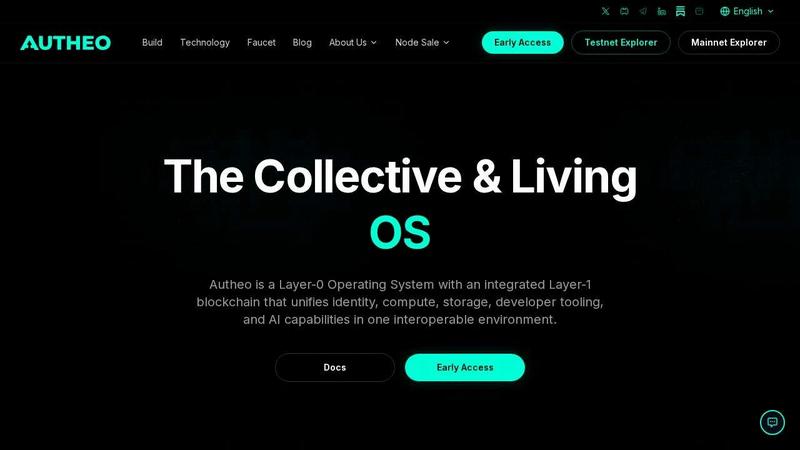
About Autheo
Autheo is a groundbreaking Layer-0 Operating System with an integrated Layer-1 blockchain, designed to unify identity, compute, storage, developer tooling, and AI capabilities within a single, interoperable environment. It directly addresses the fragmentation that plagues the current Web3 landscape, where developers must juggle multiple APIs, SDKs, and platforms, and enterprises face a significant gulf between Web2 and Web3 systems. Autheo provides a composable, programmable, and sovereign foundation for launching chains, applications, and intelligent systems. The platform integrates six core components: a fast, sovereign blockchain foundation (Layer-0 + Layer-1), decentralized cloud infrastructure (compute, storage, messaging), full-stack SDKs for frontend, backend, and smart contracts, a native development environment called DevHub, a post-quantum secure authentication system called TheoID, and an AI automation layer called THEO AI. This unified approach eliminates costly integrations and fragile systems, enabling builders to create scalable applications and interoperable networks seamlessly. Autheo is more than a technology platform; it is a living movement, supported by over 100 co-founders and contributors across blockchain, AI, gaming, and open-source communities. It is designed for developers, enterprises, and innovators who want to move beyond renting infrastructure to owning an intelligent, adaptive, and living internet.
Features of Autheo
Layer-0 + Layer-1 Blockchain Foundation
Autheo provides a fast, sovereign blockchain foundation that integrates a Layer-0 operating system with an underlying Layer-1 blockchain. This architecture allows for high performance, scalability, and interoperability, enabling developers to launch sovereign ecosystems and applications without the constraints of traditional single-layer blockchains. The foundation is designed to be composable and programmable, offering a robust base for building complex, decentralized systems.
Core Infrastructure with Decentralized Cloud
The platform includes a comprehensive decentralized cloud infrastructure that handles compute, storage, and messaging. This infrastructure is designed to be robust and scalable, replacing the need for fragmented, centralized services. By integrating these core components directly into the operating system, Autheo ensures that all applications built on it have access to reliable, decentralized resources without requiring developers to manage multiple third-party providers.
Full-Stack SDKs for Unified Development
Autheo offers full-stack SDKs that provide a single, unified framework for developing frontend interfaces, backend logic, smart contracts, and system orchestration. This eliminates the need for developers to learn and integrate multiple disparate frameworks. The SDKs streamline the entire development lifecycle, from initial coding to deployment and scaling, significantly reducing complexity and time-to-market for new projects.
DevHub Native Development Environment
DevHub is Autheo's native development environment, providing a dedicated workspace for testing, deploying, and scaling projects. It serves as the central hub where developers can manage their applications, access the full-stack SDKs, and interact with the blockchain and infrastructure components. DevHub simplifies the development process by offering integrated tools and a cohesive interface, making it easier to build, iterate, and launch on the Autheo network.
TheoID for Post-Quantum Secure Authentication
TheoID is a critical feature that provides post-quantum secure authentication and sovereignty for both people and digital assets. In an era where quantum computing threatens traditional encryption, TheoID ensures that user identities and digital assets remain secure against future threats. It offers a robust, future-proof solution for identity management, enabling secure interactions and ownership within the Autheo ecosystem.
THEO AI for Intelligent Automation
THEO AI is an intelligent automation and adaptive workflows layer integrated into the Autheo operating system. It enables AI-native tools and agents to join the stack, allowing the network to learn, adapt, and evolve over time. This feature automates complex processes, optimizes resource allocation, and enables the creation of intelligent applications that can respond dynamically to changing conditions, making the network a living, adaptive system.
Use Cases of Autheo
Building Sovereign Decentralized Applications (dApps)
Developers can use Autheo to build and deploy fully sovereign decentralized applications that leverage integrated identity, compute, storage, and AI capabilities. Unlike building on fragmented stacks, Autheo provides a single environment where all components work together seamlessly. This enables the creation of complex dApps for DeFi, gaming, supply chain, and more, without the typical integration headaches and scalability limitations.
Creating Interoperable Web2 and Web3 Enterprise Solutions
Enterprises can leverage Autheo to bridge the gap between their existing Web2 systems and the emerging Web3 world. The platform's unified infrastructure and full-stack SDKs allow for the creation of hybrid solutions that combine the reliability of traditional systems with the decentralization and transparency of blockchain. This is ideal for applications requiring secure identity management, data provenance, and automated workflows across both environments.
Launching AI-Native and Adaptive Systems
With THEO AI integrated directly into the operating system, Autheo is ideal for building AI-native applications and adaptive systems. Developers can create intelligent agents that automate complex workflows, analyze data from the network, and make autonomous decisions. Use cases include automated market making, predictive analytics, personalized user experiences, and self-optimizing infrastructure management that learns and improves over time.
Developing Secure Digital Identity and Asset Management Platforms
TheoID enables the creation of secure, post-quantum resistant digital identity and asset management platforms. Organizations can build systems for verifiable credentials, decentralized identity (DID), and secure asset custody that are protected against future cryptographic threats. This is crucial for applications in finance, healthcare, government, and any sector where identity security and asset sovereignty are paramount.
Frequently Asked Questions
What is Autheo?
Autheo is a Layer-0 Operating System with an integrated Layer-1 blockchain that unifies identity, compute, storage, developer tooling, and AI capabilities into one interoperable environment. It is designed to solve the fragmentation in Web3 by providing a single, composable foundation for launching chains, applications, and intelligent systems that work seamlessly from day one.
What can I build on Autheo?
You can build a wide variety of decentralized applications, sovereign ecosystems, and intelligent systems on Autheo. This includes DeFi platforms, gaming applications, supply chain solutions, enterprise Web2/Web3 hybrid systems, AI-native agents, and secure digital identity platforms. The full-stack SDKs and integrated infrastructure make it suitable for almost any type of decentralized or intelligent application.
How is Autheo different from Ethereum or Solana?
Autheo is fundamentally different as it is a Layer-0 Operating System, not just a Layer-1 blockchain like Ethereum or Solana. It integrates identity, compute, storage, and AI capabilities directly into the operating system, providing a unified environment. Ethereum and Solana are primarily execution layers for smart contracts, often requiring developers to piece together external services for identity, storage, and AI, leading to fragmentation.
What trilemma does Autheo solve?
Autheo is designed to address the blockchain trilemma by providing a sovereign, composable architecture that balances scalability, security, and decentralization. Its Layer-0 foundation and integrated components allow for high performance and interoperability without sacrificing the core principles of decentralization and security, offering a more holistic solution than traditional single-layer blockchains.
Is Autheo live?
Yes, Autheo has a Testnet Explorer and a Mainnet Explorer available, indicating that the network is live and operational. The platform also offers an Early Access program for builders and has a Node Sale active, allowing participants to become validators and contribute to the network's security and operation.
Similar to Autheo
Polymarket Trading Bot For Crypto
An automated trading bot that executes a proven arbitrage and hedging strategy on Polymarket's 5-15 minute crypto markets using transparent.

Bitcoin Loans Market
Bitcoin Loans Market lets you easily compare Bitcoin-backed loans to find the best option based on your specific holding strategy.

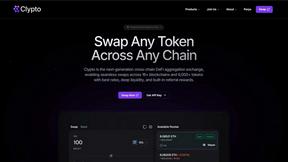
Clypto
Clypto is a cross-chain DeFi exchange enabling instant, low-fee swaps of over 6,000 tokens across 16 blockchains with optimal rates and deep.